

Why Do We Lose Motivation: Causes and Solutions | Safe and Sound
Lack of motivation is a common psychological state; you may feel depressed, physically tired, uninterested, and lacking the spirit to undertake any activity. This feeling makes it difficult to find the motivation to continue working, studying, or maintaining relationships. So, why do we lose motivation and how can we regain it? The following information from Safe and Sound psychologists will help you find the causes and solutions to effectively rekindle your motivation.
Dinh Thi Thu Hong | Bachelor of Social Work – Applied Mental Health Care Safe and Sound
Institute of Applied Medical Technology
1. Reasons why we lose motivation
1.1. Lack of clear and specific goals
An unspecific or overly vague goal can easily lead to feelings of being lost. It feels like drifting on the open sea without a compass when you lack a clear objective. The absence of a specific destination leads to a loss of motivation, discouragement, and uncertainty about where to begin. A vague goal not only leaves you unsure of your next steps but also makes you feel like all your efforts are meaningless. This results in stress, depression, and decreased energy. According to psychologists, this often causes prolonged stress, making it difficult to concentrate and maintain long-term motivation.
1.2. Excessive pressure

Overwhelming pressure from work and life.
When pressure becomes overwhelming, it can be one of the main reasons for a loss of motivation. Psychologists point out that when faced with numerous demands, expectations, and responsibilities, we easily fall into states of stress, anxiety, or even depression. When work piles up and deadlines are approaching, we feel like we can't complete everything. This feeling of helplessness and loss of control is the root cause of motivation erosion.
See also: Ways to boost your employees' intrinsic motivation you need to know
1.3. Comparing yourself to others
Comparing yourself to others can easily lead to stress and a loss of focus on what you lack compared to others. Psychologists share that this creates feelings of inferiority and unnecessary pressure, making you feel that your efforts aren't good enough. Comparing yourself to others distracts you from your personal goals, leaving you exhausted from trying to "keep up with others," leading to a loss of direction and increased stress.
1.4. Lack of recognition or encouragement
When an individual's efforts, achievements, or contributions go unacknowledged, they may feel that their work is worthless. This reduces motivation. Psychologists suggest that a lack of recognition can lead to a loss of joy and enthusiasm for work, resulting in a "just get it over with" attitude.
1.5. Declining physical and mental health
Psychologists share that issues such as lack of sleep, unhealthy diets, or prolonged illness can cause the body to become stressed and lack the energy to perform daily tasks. Feelings of pain or exhaustion reduce concentration and enthusiasm for work. Furthermore, states like stress, anxiety, depression, or mental burnout can lead to a loss of motivation and a feeling of helplessness in achieving goals. When both your physical and mental health are compromised, you are more susceptible to negative thoughts. Feelings of "I'm not good enough" or "I can't do anything" become stronger, reducing self-confidence and willpower.
2. How to maintain motivation in work and in life
2.1. Set clear and specific goals.
Setting clear and specific goals helps you stay focused in your work and life. Psychologists say that having clear goals motivates you to complete tasks, and stress, fatigue, or work pressure won't be able to hinder your progress.
The psychologists at Safe and Sound suggest breaking down your goals into smaller, more manageable steps. This helps reduce stress, fatigue, and work pressure. Write down your goals and place them where you can easily see them every day. The psychologists say this helps remind you why you started and motivates you to continue.

Set clear and specific goals.
2.2. Effective Time Management
Psychologists say that effective time management helps avoid procrastination and allows you to balance work and rest. In addition, time management helps reduce work pressure, lessen stress and fatigue, maintain motivation, and prevent burnout.
You can use tools like to-do lists and task management apps (Trello, Asana) to track progress and prioritize important tasks. Create a detailed daily plan outlining the tasks you need to complete. According to psychologists, this helps you gain an overall perspective on your work and manage your time effectively, reducing stress, fatigue, and work pressure.

Effective time management
2.3. Building a positive environment
Your surroundings have a significant impact on your mood, energy, and motivation. Psychologists say that a positive environment can foster feelings of enthusiasm, creativity, and determination, thereby reducing stress, fatigue, and pressure from work and life.
Psychologists share that a cluttered space can make you feel overwhelmed and distracted. Clean up and reorganize your workspace or bedroom to create a more relaxed atmosphere. You can add positive stimuli such as plants, natural light, or items that bring a sense of comfort. Or use a goal board or inspirational quotes to remind yourself why you work.

Safe and Sound Clinic - Family mental and health support
With a team of experienced doctors and specialists, Safe and Sound Clinic is a pioneer in comprehensive healthcare, offering services ranging from medical to psychological care.
"Early preparation - Timely support - Long-term partnership."
.png)
If you suspect you have a mental health problem, or would like more information about our counseling services, please contact our HOTLINE at 0964 778 911 (Phone/Zalo, 24/7) for prompt assistance and answers!
HOW TO SCHEDULE AN APPOINTMENT for online or in-person consultation with a specialist.
- On the SnS Clinic - IMT Institute Fanpage
- Alternatively, download and schedule a consultation on the Safe and Sound app to manage and track your appointments anytime, anywhere.
Safe and Sound - part of the Institute of Applied Medical Technology (IMT)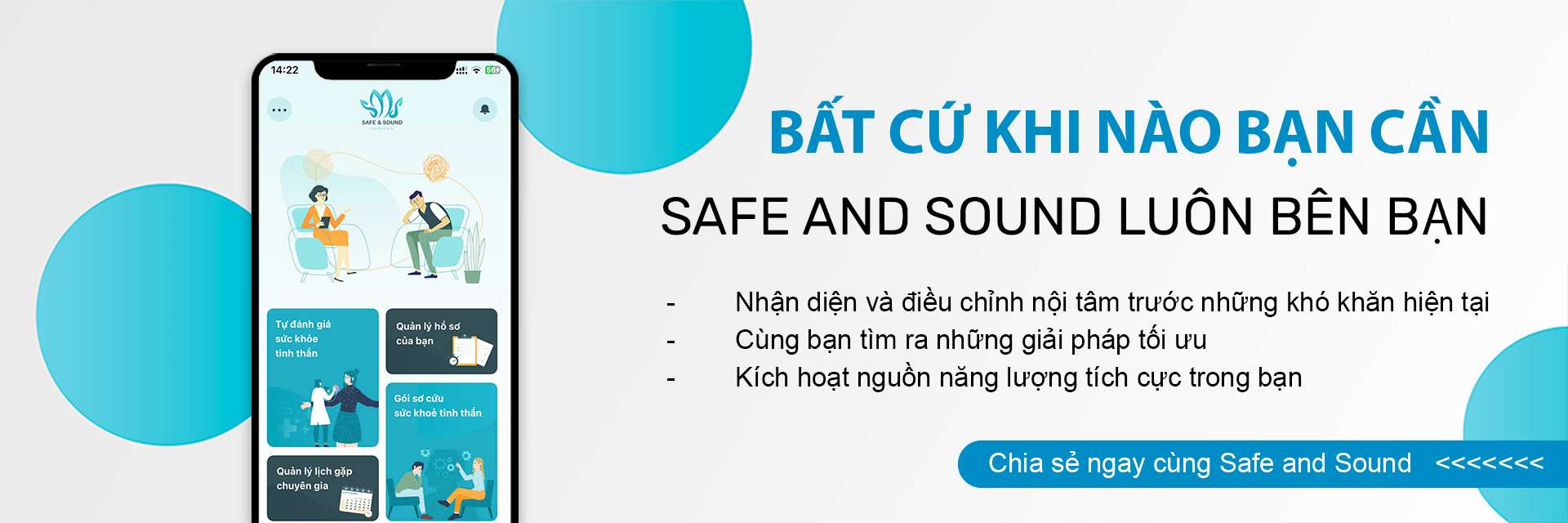
See more:
Ask a psychologist: How to deal with work-related stress?
6 tips for people who often experience pressure and stress at work.
